A: Because when the load really matters, strength is everything. It’s designed to hold down heavy, rigid or sharp-edged items that other materials might struggle with. It keeps tension under pressure, helping to secure goods during storage, handling and transport without stretching or loosening over time.
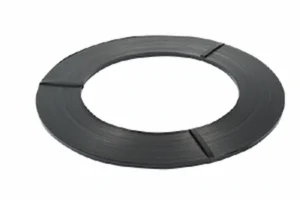
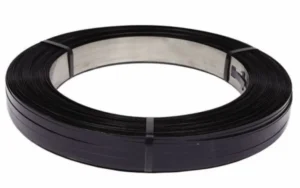
Steel Strapping for Heavy Duty Loads
When you’re moving heavy, sharp, or valuable items, strong and dependable steel strapping is not just a nice-to-have, it is a must-have. At MultiPac, we provide tough, durable solutions that help keep your loads secure from the moment they leave your facility until they safely reach your customers.
What is it and what is it used for? It is often used to hold together dense materials like bricks, timber, and concrete. It works especially well in tough conditions where plastic might not provide the right support. Because it does not stretch under pressure, it keeps a firm grip on your products, preventing shifting during handling or transportation.
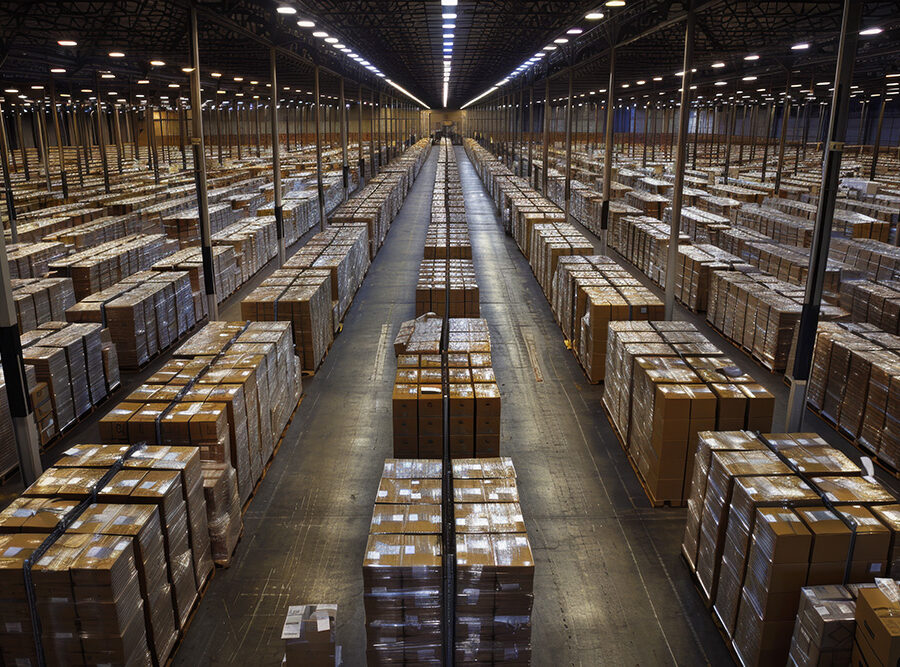
Industries like construction, manufacturing, and logistics often face the problem of heavy loads moving or collapsing during transport. When products are not properly secured, it puts workers’ health and safety at risk, can damage goods, and causes costly delays. Using our products solves these problems by keeping everything locked tight, even when subjected to vibrations, stacking pressure, or long road trips.
Products
Which Steel Strapping Product Should I Choose?
The best option depends on what you’re wrapping up and how heavy or awkward the load is.
If you’re securing heavy items such as timber, metal parts or building materials, you’ll want something strong enough to keep everything firmly in place. Some types of metal banding are made specifically for these heavier jobs.
For lighter loads or everyday warehouse tasks, you might not need the strongest option available. Think about what you’re bundling and how much pressure the strap will need to withstand.
It’s also worth checking the width and thickness before ordering. Different sizes suit different jobs, and choosing the thickest band isn’t always necessary.
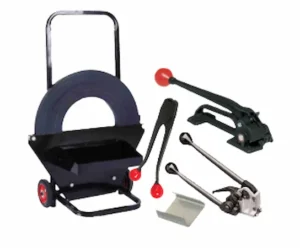
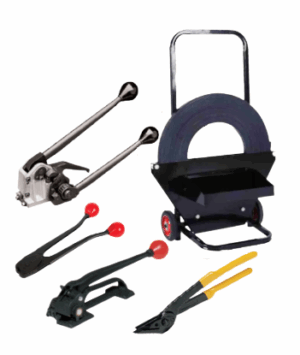
Have you already got strapping tools in your warehouse? Check that they’ll work with the banding you’re buying. You may also need metal seals to hold everything together once the strap has been tightened.
If you’re unsure which type to go for, start with the weight and shape of your goods, then check the product details to determine suitability. That should help you narrow things down without buying something that’s heavier or stronger than you really need. We’re more than happy to help advise you if you still have concerns.
While it is heavier and less flexible than plastic options, steel is the best material when strength and stability really matter. You can apply it by hand or with air-powered tools, and it is available in various sizes to fit your specific needs, as well as safety standards and regulations set out by industry bodies and the Health and Safety Executive (HSE).
At MultiPac, we have a reliable range of options available to protect all kinds of heavy and valuable loads. Whether you are bundling items on site or securing cargo for a long journey, you can count on us to supply high-quality solutions that meet your business demands.
Get in touch with our team today. We will help you find the right strapping to protect your goods while also minimising financial losses.
Steel vs Plastic Strapping: What’s the Difference?
If you’re deciding between metal and plastic banding, start with the goods you’re securing rather than the material itself.
Steel is often used for heavy, rigid loads, particularly those with sharp edges or items that are more likely to become loose in transportation. It holds its tension well, but it can have sharp edges when cut, so careful handling is essential. Plastic alternatives, such as polypropylene and polyester, are generally lighter to handle, and polyester can stretch slightly as a load moves or settles. That flexibility can be useful for certain palletised goods.
The way you apply the banding matters too. Metal and plastic varieties may need different tensioning tools, seals or fastening equipment.
Neither material is automatically the better option. Think about the load’s weight, whether it might shift in transit and what equipment your team already uses. Those details will help you narrow down the options and we can help too. All you have to do is give us a call or drop us a message and we’ll be happy to help.
FAQs
If you’re looking for a strong and dependable way to secure heavy loads, steel strapping is often the go-to choice for demanding applications. Below we’ve answered some of the most common questions to help you decide if it’s right for your needs.
Q: Why choose steel for heavy-duty loads?
Q: Is it difficult to use?
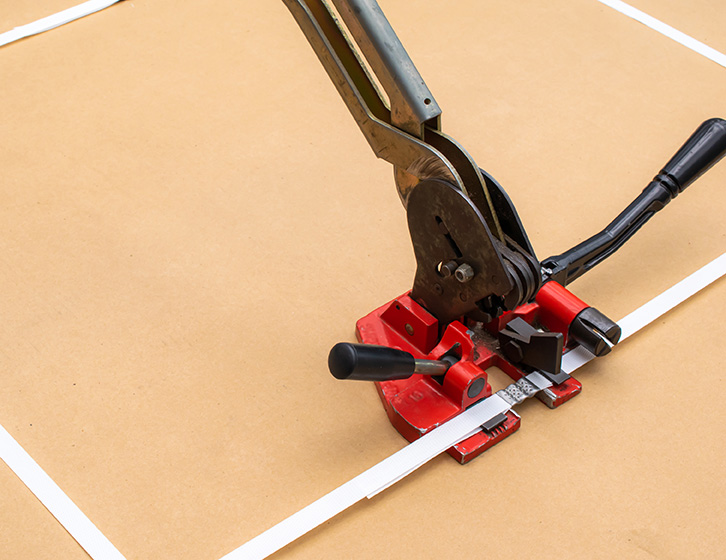
A: It can feel a bit more industrial compared to plastic alternatives, but it’s very manageable with the right tools. With a tensioner and sealing system, it becomes a straightforward process. Once set up, most users find it quick and reliable for repeat use in busy environments.
Q: Will it damage my products?
A: Not when used correctly. The key is choosing the right grade and using suitable edge protection where needed. This helps prevent marking or cutting into materials, especially on softer surfaces.
Q: Can it be reused?
A: In most cases, no, and it shouldn’t be. Once it’s been tensioned and removed, it won’t perform consistently again. It’s designed as a secure, single-use solution, which actually works in your favour because it guarantees predictable strength and reliability every time you apply it, rather than risking weakened performance from reusing material.
Q: Is Steel Strapping Reusable?
A: In most cases, no, and it shouldn’t be. Once it’s been tensioned and removed, it won’t perform consistently again. The cut edges can also be sharp, so it’s safer to use a fresh length when securing your next load. However, you can recycle used strapping made from steel.