A: It depends on which type you go for, as some bands can handle more weight than others. It’s worth checking the product details before buying to make sure it’s the right one for the job.
Plastic Strapping for Secure Loads, Pallets & Packaging Applications
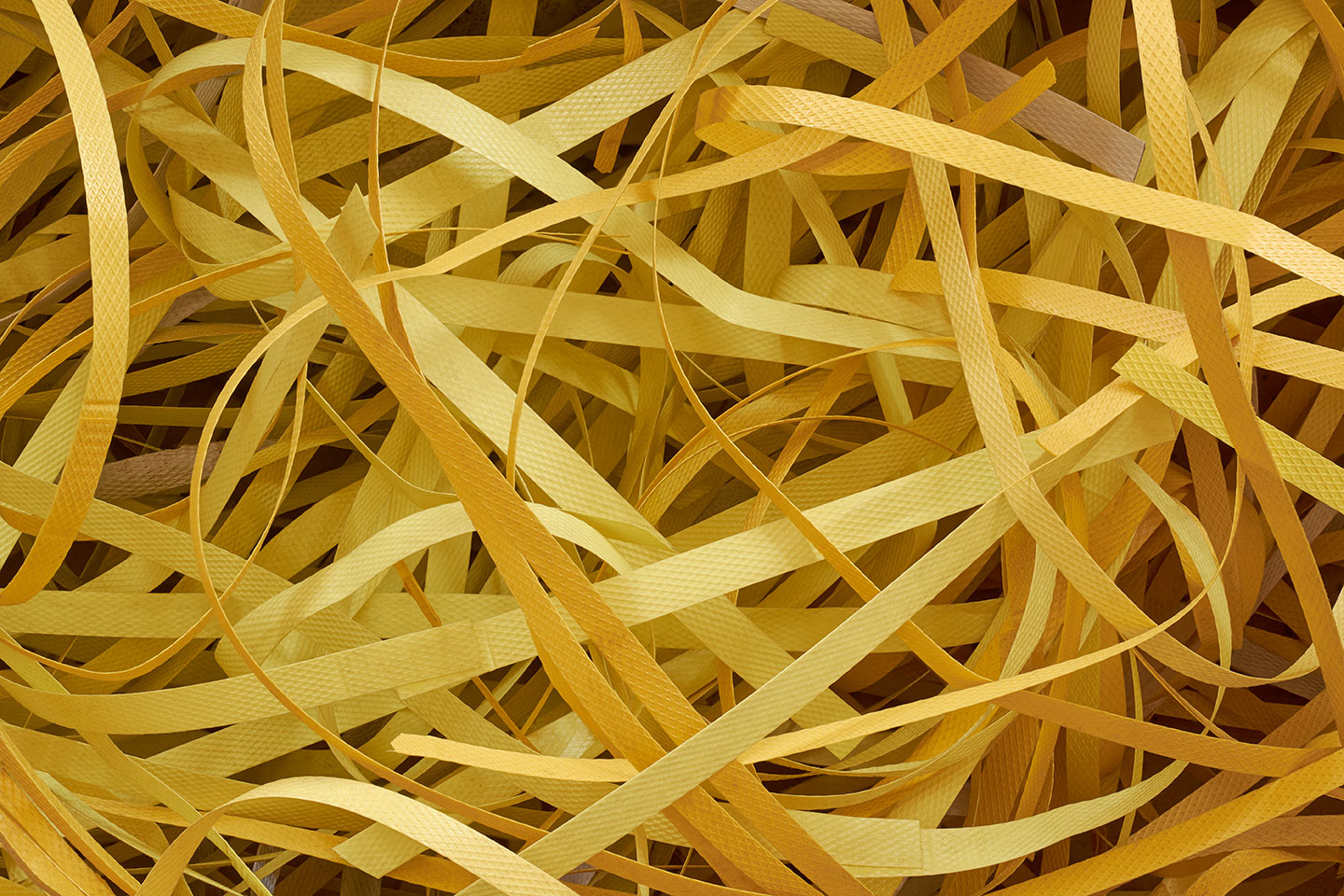
Plastic strapping is a simple but reliable solution for keeping products that need to be shipped to other locations secure. At MultiPac, we supply high-quality strapping that’s strong, flexible, cost-effective, and built to handle the demands of large-scale transportation and storage operations.
So, what is plastic strapping used for?
It is used to prevent boxes, pallets, or bundled goods from shifting or getting damaged while they’re being moved around your warehouse or when they’re being transported in a van or lorry. Whether you’re shipping items from a warehouse or moving stock between sites, it essentially keeps everything secure until the load is at its final location.
It’s especially useful in industries like manufacturing, logistics, and distribution. Unlike metal strapping, plastic doesn’t rust, it’s lightweight, and it’s easier to work with, making it an ideal and practical choice for day-to-day operations. It’s available in different types of plastics, which offer different levels of strength depending on what you’re shipping.
Products
Which Plastic Strapping Product Should I Choose?
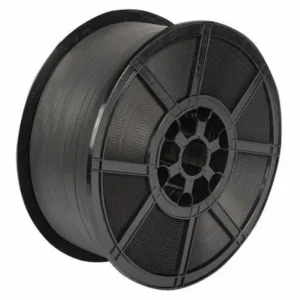
It depends on what you’re packing, how heavy the goods are and whether you’ve already got the equipment needed to secure them. Our polypropylene strapping reels are ideal if you’re bundling boxes, parcels or lighter pallet loads. They come in different sizes, so check the width and thickness before choosing a roll. You’ll also want to consider how often you’re using them.
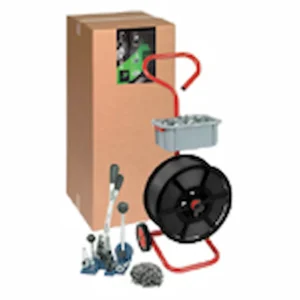
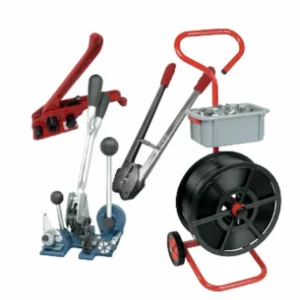
If you don’t already have the tools needed to secure your packages, take a look at our plastic strapping starter kit. It gives you a way to get started without having to buy all the equipment separately. We also supply machine-applied plastic strapping for businesses that use packing machinery. They can be useful if your team needs to secure hundreds or thousands of heavy loads each day.
Before buying, have a look at the width and thickness of the banding and check that it’s suitable for the weight of your goods. If you’ve already got tools or machinery, make sure the rolls will work with them too.
Still unsure what to order? Give our team a call or drop us a message. We’ll be happy to talk through the options with you.
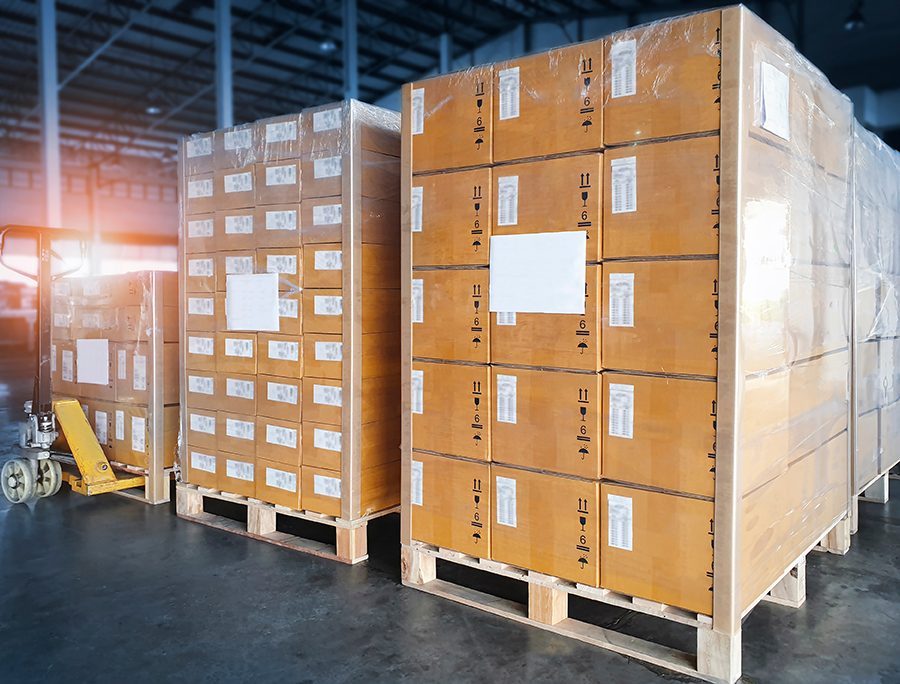
Plastic strapping is perfect for securing loads that are light or moderately heavy. Sectors like food and beverage, retail, and construction all use it regularly. Because it stretches really well, it can absorb impact and movement without damaging the goods it’s protecting.
We know that damaged packaging and lost products lead to wasted time and higher costs. That’s why it’s important to use solutions that hold up in all kinds of conditions, such as wet or windy weather and environments with a lot of footfall. Our products are designed to keep your loads secure and reduce the risk of anything arriving broken or out of place.
We supply our products in a range of widths, thicknesses, and colours that can be applied by hand or using a machine. Whatever your setup, we’ve got suitable options designed to make your job easier.
If you’re looking for dependable products that gets the job done, talk to our team today.
Polypropylene vs Machine Applied Strapping: What's the Difference?
The main difference is how the banding is used.
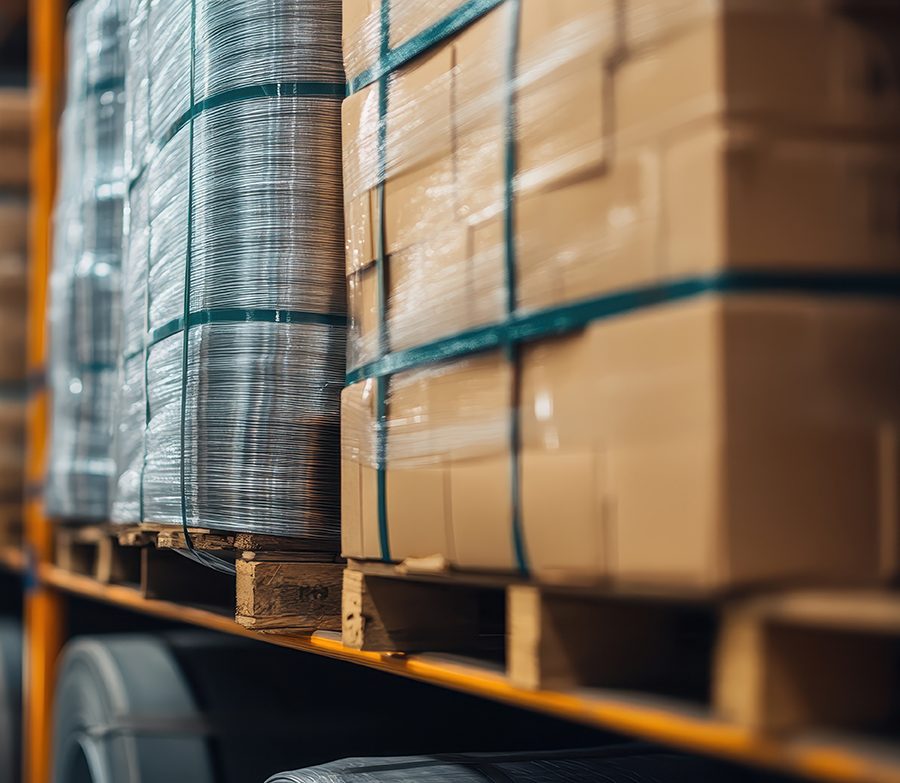
Polypropylene is a type of plastic commonly used to secure boxes, parcels and pallet loads. You can buy versions for applying by hand, which are useful when you're only wrapping a few items at a time.
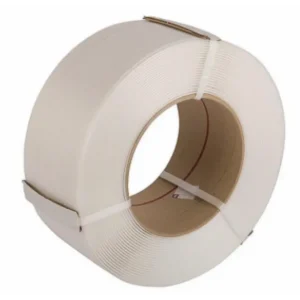
Machine-applied banding is made to run through strapping equipment. It's often used in busy packing areas where staff are dealing with large numbers of packages every day.
One thing worth knowing is that these aren't necessarily two different materials. Machine rolls can also be made from polypropylene. What matters is whether the banding is suitable for your equipment and the goods you're packing.
If your team only needs to strap the occasional box, buying a machine probably isn't necessary. But if packing takes up a large part of the working day, using suitable machinery could help speed things up. Always check the roll specifications before ordering, as not every type will work with all machines.
Q: How much weight can polypropylene strapping hold?
Q: Is polypropylene recyclable?
A: Yes, you can recycle it, but not all recycling companies will take it. Check with the company that collects your waste to see if you can recycle your used strapping.
Q: Plastic strapping vs steel straps: Which is better?
A: It really comes down to the load: straps made from plastic are lighter, safer to handle, won’t rust or mark your goods, and flex with the load as it settles, which makes them the go-to for most cartons, pallets and everyday dispatch. Steel strapping is still the better choice for very heavy, sharp-edged or rigid loads like metal coils or timber stacks.
Q: Can plastic strapping be used in cold temperatures?
A: Yes, plastic strapping copes well in cold conditions like chilled warehouses, refrigerated stores, and loading bays during winter, and the right grade will keep its tension nicely when temperatures drop. Just bear in mind that some types can become more brittle in very low temperatures, so if your loads are heading into freezer environments, it’s worth choosing a cold-suitable grade and taking a little extra care when tensioning.